The Dangers of DIY Electrical Work and Why to Hire a Licensed Electrician is something every homeowner should understand before attempting their own repairs. Electrical systems are intricate, and even minor mistakes can lead to major safety hazards, property damage, or costly code violations. This article explores the risks, safety considerations, and key reasons why relying on trained professionals is essential for protecting your home, health, and investment.
Understanding The Dangers of DIY Electrical Work and Why to Hire a Licensed Electrician
Electrical work requires precision, compliance with local codes, and a deep understanding of how power systems function. While DIY projects are popular for home improvement, electrical work is in a category of its own. This section outlines what makes it so different and why it demands professional expertise.
Table of Contents
- Why DIY Electrical Work Is Dangerous
- Hidden Electrical Hazards Homeowners Overlook
- Understanding Electrical Fires and Prevention
- Risks of Electrocution and Injury
- Code Violations and Inspection Failures
- Insurance and Liability Issues
- Common DIY Electrical Mistakes
- Benefits of Hiring a Licensed Electrician
- Final Thoughts on DIY Electrical Work
Why DIY Electrical Work Is Dangerous
It’s easy to see why homeowners take on do-it-yourself projects. Painting a room, replacing hardware, or fixing a faucet can be simple, rewarding, and cost-effective. But when it comes to electricity, even small mistakes can have big consequences. DIY electrical work is dangerous because the risks aren’t always visible until it’s too late.
Unlike cosmetic repairs, electrical work involves live current that runs through your walls, outlets, and fixtures. A single wiring error can lead to electrical fires, shocks, or long-term system failures. Even more concerning, these hazards might not show up immediately. What appears to be a functioning circuit could be a ticking time bomb hidden behind drywall.
Licensed electricians are trained to anticipate and prevent these risks. They follow strict safety standards and use testing tools to verify that every circuit is grounded, balanced, and code compliant. Without this expertise, homeowners are left to guess—and guessing with electricity can be catastrophic.
Hidden Electrical Hazards Homeowners Overlook
One of the most misunderstood aspects of electrical systems is how easy it is to create a hidden hazard. Loose wire connections, improper grounding, or undersized conductors can quietly cause heat buildup and electrical arcing behind the walls. Over time, this damages insulation and increases the risk of a fire starting without warning.
Another common issue is with circuit overload. Many older homes were not designed for today’s high-energy demands. Plugging too many appliances or devices into one circuit can trip breakers or, worse, overheat wiring that was never rated for that load. These issues are rarely noticed until the breaker starts tripping—or until something starts smoking.
Understanding how these unseen dangers form helps homeowners appreciate why inspections, permits, and professional installations matter. They aren’t just bureaucratic red tape; they’re safeguards that protect your home and family from potentially life-threatening conditions.
Understanding Electrical Fires and Prevention
Electrical fires are one of the most serious outcomes of improper wiring or installation. They often start silently, from frayed insulation, overloaded outlets, or a mis wired breaker. According to national safety organizations, thousands of home fires each year are caused by faulty electrical systems—many of which were the result of unlicensed or do-it-yourself work.
Prevention begins with understanding how fires start. Excess heat is the main culprit. Poor connections create resistance, and resistance generates heat. Over time, insulation around wires deteriorates, causing sparks that ignite surrounding materials. This is especially dangerous in attics, basements, or behind walls, where fires can spread before anyone notices.
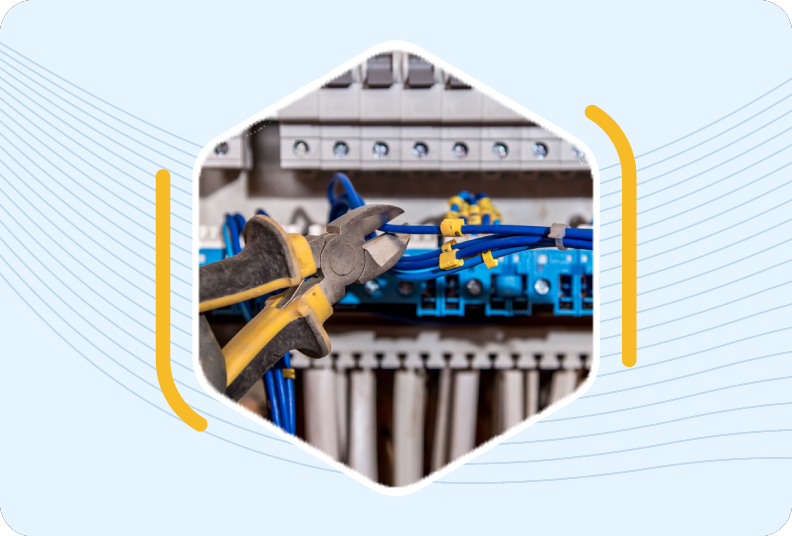
Professionals use diagnostic tools like thermal imaging, continuity testers, and circuit analyzers to detect these problems before they become disasters. Their preventive measures, such as using the correct wire gauge, installing GFCI outlets, and verifying breaker load balance, reduce risks dramatically. The best fire prevention often comes from doing things right the first time—with professional oversight.
Risks of Electrocution and Injury
Electricity is powerful, unpredictable, and unforgiving. Many DIY enthusiasts assume turning off a breaker is enough to make their workspace safe. In reality, residual current can remain in wires, or circuits may be mislabeled, leaving live power where you least expect it. This can lead to shocks, burns, or even fatal electrocution.
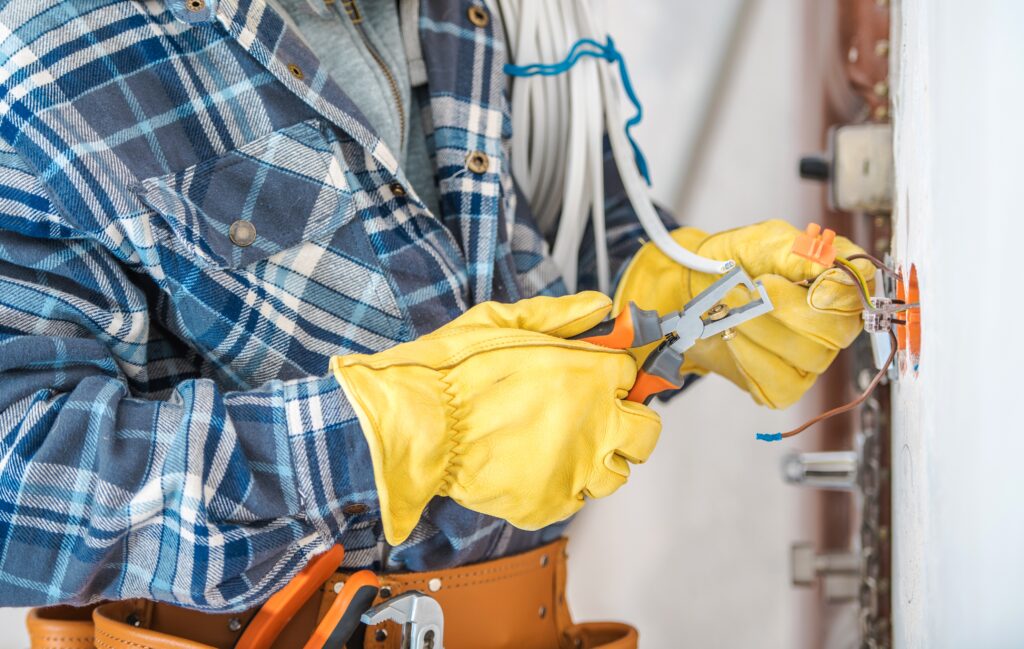
Even low-voltage work can be dangerous when tools are metal or when water or humidity are present. For instance, working on an outlet with damp hands or on a rainy day can create a direct path for current to travel through your body. Licensed electricians wear insulated gloves, use voltage testers, and follow lockout/tagout procedures to prevent exactly these scenarios.
Understanding the Physical Risks
Electrical accidents are not only about shock. Falls, burns, and muscle injuries often occur when untrained individuals react to an unexpected jolt. The physical and financial toll can be severe. Homeowners who understand these risks quickly realize that saving a few dollars on labor isn’t worth compromising safety or well-being.
Code Violations and Inspection Failures
Electrical codes exist for a reason—they keep systems standardized, safe, and compatible with national safety requirements. In California, for example, Title 24 and the National Electrical Code (NEC) set strict guidelines on how circuits, outlets, and fixtures must be installed. When DIY projects skip these standards, they often result in code violations that can fail inspections or delay property sales.
Even a small job like replacing a light switch can trigger compliance issues if it affects a GFCI zone or load balance. Municipal inspectors can require that all unlicensed electrical work be removed and redone, which doubles costs and extends project timelines.
Homeowners who learn about local electrical codes early save themselves frustration later. Permits, inspections, and licensed contractors might seem like extra steps, but they’re part of the safety net that ensures your home’s electrical system remains both reliable and legal.
Why Compliance Protects You
Following code isn’t just about passing inspection—it’s about protection. Electrical systems that meet state and federal codes are less likely to fail under heavy loads, less prone to fire, and easier to maintain. Understanding these requirements empowers homeowners to make informed decisions and trust that their installations will stand the test of time.
Insurance and Liability Issues
One area homeowners often overlook when doing their own electrical work is how it affects insurance coverage and liability. Most home insurance policies require that electrical installations and repairs be performed by a licensed professional. If an unpermitted or improperly wired circuit causes a fire or injury, an insurer may deny coverage entirely.
This means homeowners could be held financially responsible for property damage, injuries, or even medical bills. The cost of hiring a professional is minimal compared to the potential loss from an uninsured claim. Beyond the financial risk, having unapproved wiring can also complicate property appraisals or home sales, since inspectors are required to note non-compliant work.
Learning how insurance policies view DIY projects helps homeowners make better decisions before taking on electrical repairs. Understanding the long-term consequences ensures your home remains both safe and fully protected.
Common DIY Electrical Mistakes
Even small electrical jobs can go wrong quickly. Many homeowners underestimate how precise wiring, amperage, and grounding need to be. Here are some of the most frequent DIY electrical mistakes that can cause safety and performance issues:
- Using the wrong wire gauge for circuit load
- Failing to install ground fault (GFCI) outlets in wet areas
- Overloading power strips or breakers with high-draw devices
- Connecting wires without proper junction boxes
- Skipping grounding connections or using outdated materials
Each of these errors may seem harmless, but they weaken the system’s integrity and create long-term risks. Electrical work is precise engineering, not trial and error. Understanding these common pitfalls helps homeowners see the difference between a quick fix and a safe, code-compliant repair.
Benefits of Hiring a Licensed Electrician
Hiring a licensed electrician offers more than just peace of mind. It guarantees that the work is performed according to safety codes, properly documented, and tested before completion. Professionals use calibrated tools, certified materials, and verified techniques to ensure everything functions safely and efficiently.
Professional Standards Make a Difference
Licensed electricians complete extensive training and apprenticeships before they’re allowed to perform work independently. They are also required to stay current with evolving safety standards, including updates to the National Electrical Code (NEC) and local regulations. This commitment ensures every connection, circuit, and installation is optimized for both performance and safety.
Beyond compliance, professional electricians often provide warranties and stand behind their work. For homeowners, that level of accountability is invaluable. It transforms what might feel like a cost into a long-term investment in the home’s safety and functionality.
Final Thoughts on DIY Electrical Work
Electrical systems power nearly everything in modern homes, from appliances to lighting to HVAC equipment. While DIY projects can be satisfying, electrical work is one area where professional expertise is essential. The consequences of even a minor mistake can be serious, both for personal safety and property protection.
Learning about the hidden risks, code requirements, and long-term impacts of unlicensed electrical work gives homeowners the knowledge to make smart, informed decisions. Whether you’re planning a remodel, adding new lighting, or troubleshooting power issues, understanding the importance of safe electrical practices is the foundation of a secure home.
Electrical safety isn’t just about avoiding danger—it’s about preserving the systems that keep your home running. When you respect the complexity of electricity and recognize the importance of trained professionals, you protect your investment, your family, and your peace of mind.
John B is the head electrician at Specialty Electric, where he brings over 15 years of dedicated experience to every project he handles. Known for his technical expertise and meticulous attention to detail, John specializes in high-end electrical installations and advanced troubleshooting. His commitment to safety, efficiency, and the latest industry standards makes him a trusted name among clients seeking reliable and innovative electrical solutions.