Electrical Safety Tips Every Homeowner Should Know are essential for protecting your family, your property, and your peace of mind. From everyday appliance use to hidden wiring risks behind your walls, electrical systems play a role in nearly every part of modern living. Understanding how electricity works in your home — and how to use it safely — can dramatically reduce the risk of fires, shocks, and expensive damage. This guide walks you through practical, real-world safety knowledge every homeowner should understand, whether you live in a brand-new build or an older home.
Electrical Safety Tips Every Homeowner Should Know for a Safer Home
Electrical systems are often taken for granted until something goes wrong. Many serious electrical accidents begin with small warning signs that are easy to overlook without proper knowledge. Learning how to recognize risks, use your electrical system responsibly, and make informed decisions about repairs and upgrades gives you long-term protection and confidence in your home’s safety.
Table of Contents
- Why Electrical Safety Tips Every Homeowner Should Know Matter
- Common Electrical Hazards Found in Homes
- How Electrical Fires Start and How to Prevent Them
- Warning Signs of Electrical Problems You Should Never Ignore
- Safe Use of Extension Cords and Power Strips
- Essential Electrical Safety Devices Every Home Should Have
- Electrical Safety Tips for Children and Pets
- Outdoor Electrical Safety for Yards Pools and Lighting
- When to Call a Licensed Electrician Instead of DIY
- Long-Term Electrical Safety Maintenance for Homeowners
Why Electrical Safety Tips Every Homeowner Should Know Matter
Electrical safety is one of those areas of homeownership that often stays out of sight and out of mind — until something goes wrong. Yet, electrical issues remain one of the leading causes of residential fires and serious injuries. What makes electrical risks particularly dangerous is how quietly they can develop behind walls, inside panels, and within outlets that appear normal on the surface. Understanding why electrical safety matters puts homeowners in a position of prevention rather than reaction.
Beyond fire risks, unsafe electrical conditions can cause appliance damage, power loss, personal injury, and even fatal shock. As homes continue to rely more heavily on electronics, smart devices, charging stations, and high-demand appliances, older or poorly maintained electrical systems become increasingly stressed. Electrical safety is not just about compliance — it is about safeguarding your family, your property, and the investments you’ve made in your home.
Common Electrical Hazards Found in Homes
Many homeowners are surprised to learn how frequently dangerous electrical conditions exist in everyday living spaces. These hazards often develop slowly over time and may not trigger obvious symptoms until a serious incident occurs. Loose wiring connections, outdated electrical panels, damaged outlets, and overloaded circuits are among the most common risks found during home electrical inspections.
Another widespread hazard is improper modification. DIY electrical work performed without proper knowledge, permits, or code compliance can leave behind hidden dangers that persist for years. Even something as simple as installing the wrong type of outlet in a bathroom or kitchen can create a serious shock risk when water is involved. Understanding these hazards is the first step toward reducing long-term safety threats in your home.
Older Homes and Hidden Electrical Risks
Homes built several decades ago often contain wiring methods that were once considered standard but no longer meet modern safety expectations. Aluminum wiring, knob-and-tube systems, and undersized electrical panels may still be powering homes today. These systems were never designed to support the electrical loads of modern living, which now includes large appliances, HVAC systems, entertainment equipment, and continuous charging of electronic devices.
The danger of older electrical systems lies in how invisible their decline can be. Insulation can crack, connections can loosen, and grounding may be inadequate — all without showing visible damage at outlets or switches. Without proper evaluation, homeowners may unknowingly be living with fire hazards embedded in their walls.
How Electrical Fires Start and How to Prevent Them
Electrical fires typically begin when electrical current encounters resistance, friction, or overheating along its path. This can occur through frayed wires, overloaded circuits, faulty outlets, or deteriorated insulation. Heat builds silently over time until surrounding materials ignite. Unlike kitchen or open-flame fires, electrical fires often develop where no one can see them — inside walls, attics, and electrical panels. Learning proven methods of electrical fire prevention plays a major role in reducing these hidden risks.
Prevention begins with understanding how electrical systems manage power flow. Every circuit is designed to safely carry a specific amount of current. When that limit is exceeded, wires heat up and protective devices like breakers are supposed to shut power down. However, when panels are outdated, improperly wired, or bypassed with incorrect breakers, the system may fail to shut off before a fire starts.
Proactive prevention measures dramatically lower the risk of electrical fires. Keeping electrical loads balanced, upgrading panels when necessary, and replacing damaged wiring are all part of a safe system. Even simple steps such as avoiding space heaters on extension cords and keeping combustible materials away from electrical equipment help reduce ignition risks.

Warning Signs of Electrical Problems You Should Never Ignore
Your home often gives early warnings when electrical systems are under stress. Flickering lights, warm outlets, buzzing sounds, frequent breaker trips, and burning odors are all indicators that something is wrong beneath the surface. These symptoms should never be dismissed as “normal” or temporary glitches.
Repeated breaker trips are especially important to monitor. While an occasional trip can occur from temporary overloads, frequent tripping suggests a deeper problem with circuit capacity, wiring damage, or appliance faults. The purpose of a breaker is to protect the wiring from overheating. When it activates consistently, it is signaling that a dangerous condition may exist.
Another subtle but serious warning sign is minor electrical shock or tingling sensations when touching appliances, switches, or metal fixtures. This can indicate improper grounding or internal wiring defects. Even mild electrical shock is not harmless and often signals a risk that can escalate rapidly without proper attention.
Safe Use of Extension Cords and Power Strips
Extension cords and power strips are widely used for convenience, yet they are also involved in a significant number of residential electrical fires each year. These devices are designed for temporary use, not as permanent substitutes for proper outlets. Overloading them, running them under rugs, or daisy-chaining multiple strips together greatly increases the risk of overheating and fire.
The key to safe use is understanding load capacity. Every extension cord and power strip has a maximum wattage rating that should never be exceeded. High-draw appliances such as space heaters, refrigerators, microwaves, and air conditioners should always be plugged directly into a wall outlet rather than into extension cords.
- Use extension cords only for short-term temporary power needs
- Never run cords under carpets, furniture, or doorways where heat can build
- Replace damaged or frayed cords immediately
- Avoid connecting multiple power strips together
- Match the cord rating to the appliance power demand
Power strips with built-in surge protection add an extra layer of safety when used properly, but they still carry limits. For long-term solutions, installing additional outlets is always safer than relying on cord-based power distribution throughout the home.
Essential Electrical Safety Devices Every Home Should Have
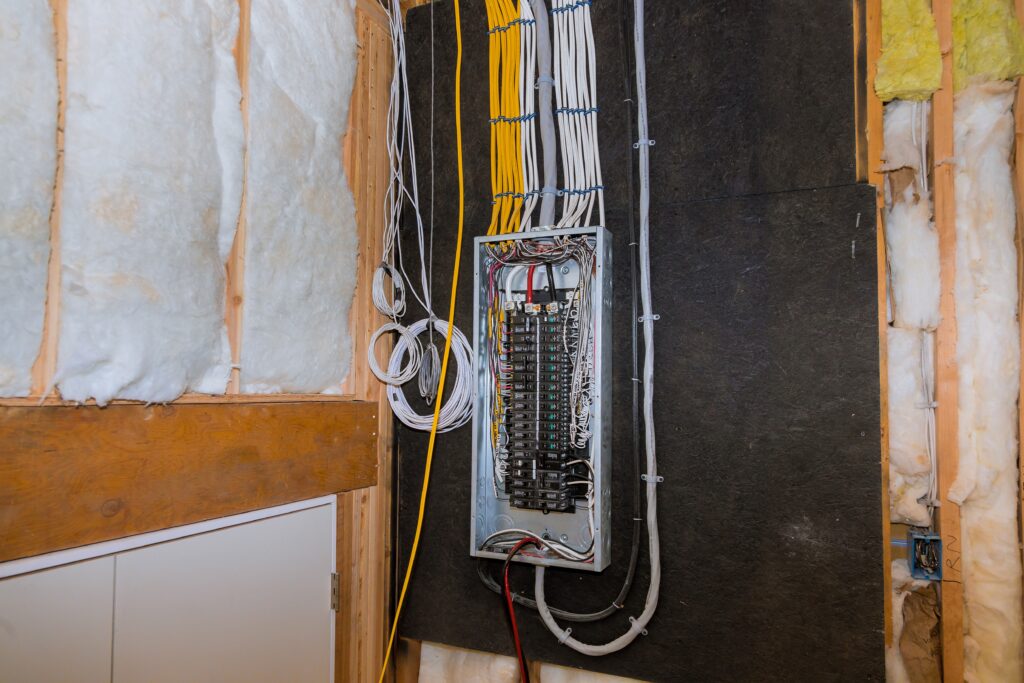
Modern homes rely on a variety of built-in safety devices that quietly work in the background to reduce the risk of shock, fire, and system failure. These devices are designed to respond instantly when hazardous conditions occur, often preventing serious injury before a homeowner even realizes a problem exists. Systems that include GFCI protection, surge control, and arc-fault detection have significantly improved residential electrical safety over the past several decades.
While many newer homes come pre-equipped with these systems, older properties may lack critical layers of protection. Retrofits are often straightforward and can significantly upgrade the overall safety of the electrical system. In particular, surge protection has become more important than ever as homes fill with sensitive electronics, smart devices, and computer systems.
Some of the most important devices that improve household safety include:
- GFCI outlets to prevent shock in wet or damp areas
- AFCI breakers to detect dangerous arcing conditions
- Whole-home surge protectors to guard against voltage spikes
- Smoke detectors placed near sleeping areas and on every level
- Carbon monoxide detectors near fuel-burning appliances
- Proper grounding systems to safely redirect stray electrical current
Each of these devices plays a different role, but together they form a comprehensive safety net for your home. When one layer fails, another often prevents disaster — a critical concept in electrical risk prevention.
Electrical Safety Tips for Children and Pets
Children and pets interact with their environment in ways that adults do not, which makes electrical safety a unique challenge in family households. Curious hands and paws explore outlets, cords, and appliances without understanding the danger involved. This is why child-focused and pet-safe electrical precautions are an essential part of responsible home safety planning.
Simple solutions can dramatically reduce risk. Tamper-resistant outlets prevent small objects from being inserted into live receptacles. Securing cords behind furniture keeps them out of reach, while properly storing portable appliances eliminates temptation and accidental activation. Teaching children from an early age that electricity is helpful but dangerous creates long-term awareness that stays with them as they grow.
Pets face unique electrical risks as well. Chewing on cords, stepping on damaged extension leads, or accessing outdoor wiring can lead to serious injury. Extra protection in garages, laundry rooms, and outdoor spaces is especially important for households with animals.
Outdoor Electrical Safety for Yards Pools and Lighting
Outdoor electrical systems are exposed to moisture, temperature swings, and physical wear that indoor systems never face. Because of this, outdoor outlets, lighting, and power equipment must meet higher safety standards to reduce shock and fire hazards. GFCI protection is not optional outdoors — it is a critical safeguard that shuts power off instantly if a fault is detected.
Pool and hot tub areas require special attention. Water is a powerful conductor of electricity, and even a small wiring defect near a pool can become deadly in seconds. Proper bonding, grounding, and sealed electrical components prevent stray electrical current from energizing water or nearby metal surfaces. Homeowners should also avoid using extension cords near water at all times.
Seasonal Outdoor Electrical Use and Hidden Risks
Seasonal lighting and outdoor decorations create additional electrical demand during certain times of the year. Holiday lighting, landscape lights, and outdoor entertainment systems often stay energized for long periods and are exposed to rain, dirt, and heat. Using indoor-rated products outside, overloading outlets, or failing to inspect cords each season can introduce serious hazards that worsen over time.
Regular inspection of outdoor electrical equipment helps catch deterioration early. UV exposure can crack insulation, moisture can infiltrate connections, and corrosion can weaken metal components. Taking the time to inspect these systems before each season of heavy use dramatically improves long-term safety.
When to Call a Licensed Electrician Instead of DIY
DIY home projects are popular, but electrical work carries risks that extend far beyond cosmetic mistakes. Even seemingly minor tasks — such as replacing outlets, adding circuits, or modifying panels — involve exposure to live current, system balance issues, and strict code requirements. A professional licensed electrician understands how circuits interact, how load calculations protect wiring, and how grounding systems safeguard your entire home.
Licensed electricians bring more than tools; they bring system-level knowledge, code compliance expertise, and the ability to diagnose hidden defects. A trained professional understands how circuits interact, how load calculations protect wiring, and how grounding protects human life. This level of understanding is difficult to replicate through online tutorials alone.
Electrical work beneath the surface often affects the performance of the entire system. Panel upgrades, rewiring projects, grounding corrections, and surge protection installations all require precise coordination. Calling a professional at the right time prevents small defects from turning into catastrophic failures later.
Long-Term Electrical Safety Maintenance for Homeowners
Electrical safety is not a one-time effort — it is an ongoing responsibility that evolves as your home, appliances, and technology change. Long-term electrical maintenance protects not only your safety but also your investment. Homes that receive regular inspections and timely upgrades experience fewer failures, lower fire risk, and stronger overall performance. Proper residential electrical work plays a major role in maintaining that long-term protection.
Over time, electrical demands naturally increase. New appliances, electric vehicles, HVAC upgrades, and smart home systems all place additional stress on existing wiring. What was sufficient twenty years ago may no longer meet today’s power requirements. Periodic system evaluations ensure that your electrical infrastructure keeps pace with modern living.
Routine maintenance also strengthens resale value. Buyers increasingly pay attention to panel condition, outlet type, grounding systems, and surge protection. A home with a documented history of electrical care reflects responsible ownership and reduces liability for future occupants.
Ultimately, electrical safety is a partnership between homeowners and the systems that power their lives. When awareness, maintenance, and professional oversight work together, homes remain safer, more reliable, and far better protected against the unseen dangers of electricity.

John B is the head electrician at Specialty Electric, where he brings over 15 years of dedicated experience to every project he handles. Known for his technical expertise and meticulous attention to detail, John specializes in high-end electrical installations and advanced troubleshooting. His commitment to safety, efficiency, and the latest industry standards makes him a trusted name among clients seeking reliable and innovative electrical solutions.